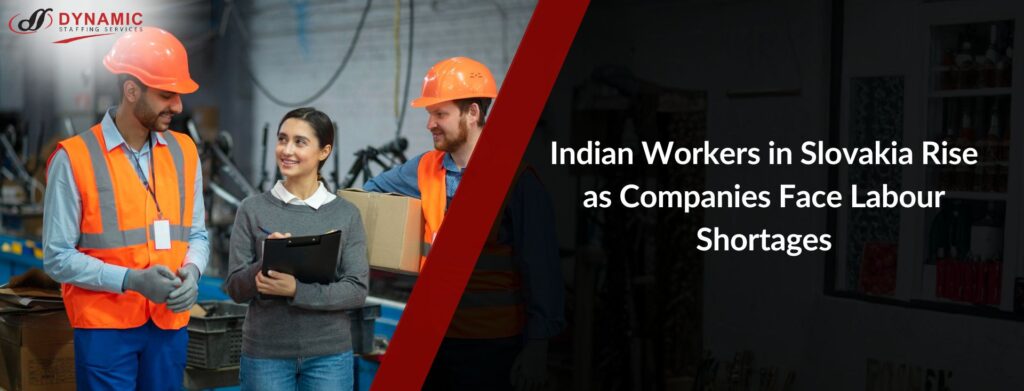

Job shortages in many companies across Europe continue to be a major problem for employers. Job vacancies can affect all aspects of a business, especially those that rely on skilled, semi-skilled and trained workers. Job vacancies are not just a human resource issue; they also directly impact production, project timelines and quality of service delivered to customers and ultimately lead to decreased business growth.
According to the latest data from Eurostat, the job vacancy rate in the eurozone was 2.2% for the 4th quarter of 2025, while for the whole EU, the job vacancy rate was 2.0%. This indicates that a significant number of companies throughout Europe still find it difficult to fill job vacancies. This should indicate to employers that a more structured and proactive approach to workforce planning is needed if they are going to fill jobs in 2026 and beyond successfully
Why Job Vacancies Matter for Employers
While it is easy to see an open position as just being a small gap in your resources on paper, in day-to-day operations, these same small gaps can place tremendous strain upon your business. When a position is vacant, other employees generally will be required to perform additional tasks. This results in lower productivity, increases in overtime costs, and decreased employee morale.
The impact of having vacant positions can delay projects and reduce service efficiencies in many industries, including but not limited to construction, manufacturing, logistics, hospitality and technical services. For these same employers, the long-term cost of not having the right people in place to meet their business needs will far exceed the costs associated with recruiting new employees.
Key Sectors Facing Hiring Pressure
The update from Eurostat indicates ongoing recruiting demands across a variety of sectors. Construction, administrative support, professional and technical services, food services/accommodation and hospitality businesses are all sectors that continue to have recruitment requirements.
These sectors play an important role in the European economy, with construction companies needing reliable resources so that they can complete projects on time, hospitality companies needing trained staff to maintain service quality and technical/IT organisations needing skilled workers to support their business growth. Companies that are unable to find suitable talent locally may fail to meet their business requirements.
Why Employers Need a Strong Workforce Strategy
Too many companies do not begin their recruiting processes until after they experience an urgent shortage of qualified candidates. As such, those companies often rush through the hiring process, creating fewer overall candidate options and creating additional stress based on recruiting timelines. Employers need to be proactive in workforce planning by identifying their future workforce requirements, clearly defining candidate skill requirements and creating predefined timelines with which to conduct recruitment processes.
The workforce strategy should also include effective candidate screening procedures, comprehensive recruiting documentation, compliance checks, and ongoing deployment support. This is particularly true when hiring internationally, as the hiring company must also fulfil both the immigration and employment law obligations for hired workers, which must be effectively administered.
How International Recruitment Can Help
By recruiting internationally, businesses are able to access a global talent market. For those companies that suffer from labour shortages, recruiting globally will allow them to fill their most critical positions and provide long-term stability for their workforce.
As such, international recruitment requires careful management. Employers who recruit internationally need to find candidates who possess all of the necessary skills, have reliable work records, are appropriately documented and have the ability to work in the desired environment. Working with the right recruitment partner will minimise delays and improve your results from the hiring process.
How Dynamic Staffing Services Supports Clients
Dynamic Staffing Services assists employers by developing reliable workforce pipelines for international markets. Dynamic Staffing Services supports clients by understanding their workers’ needs, sourcing appropriate candidates, screening their abilities and experience, assisting with the documentation process and supporting the recruitment process.
Our objective is to assist employers in making intelligent and compliant decisions regarding the recruitment of qualified candidates. Dynamic Staffing Services provides recruitment assistance based on the specific business needs of our clients, whether they require candidates for the construction sector, logistics, manufacturing, hospitality, or technical positions.
Build a Reliable Workforce for the Future
Europe’s job vacancy trends show that employers cannot depend only on last-minute hiring. Companies that plan early and work with an experienced recruitment partner will be better prepared to manage labour shortages and business growth.
Are you interested in recruiting qualified international candidates within Europe or the Rest of the World? Please contact Dynamic Staffing Services via email at clientservices@dss-hr.com.