






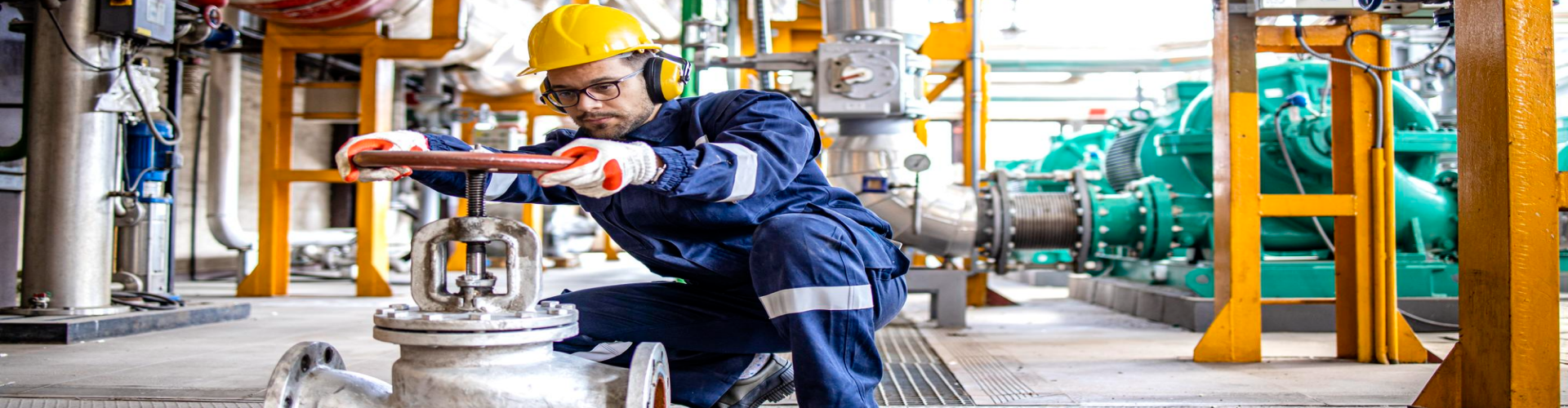
The European industrial landscape is undergoing an aggressive, capital-intensive transformation. From massive clean-energy infrastructure developments in the North Sea to advanced automotive gigafactories across Germany, and localised heavy manufacturing hubs throughout Italy and Central Europe, the continent is rapidly rebuilding its sovereign productive capacity.
However, this industrial expansion has accelerated past a critical threshold. The primary operational bottleneck facing European enterprise leaders today is no longer raw material inflation, supply chain disruption, or energy price stabilisation; it is the physical absence of technical human capital.
Industrial expansion cannot materialise without the physical presence of personnel to execute the work. Relying on traditional, localised, and reactive hiring methods has become a major risk to corporate growth. To protect long-term project margins and ensure operational continuity, forward-thinking European employers must transition from transactional hiring to a structured, cross-border workforce pipeline.
Driving Industrial Growth Across the European Continent
The current wave of industrial investment across Europe is historic in scale. Driven by strict regional decarbonization goals, the rapid near-shoring of critical electronics manufacturing, and large-scale public infrastructure modernisation initiatives, capital is flowing into physical engineering projects at unprecedented rates. This growth is visible across multiple specialised sub-sectors:
- Advanced Manufacturing and Smart Production: Automated automotive assembly, precision electronics tooling, and specialised aerospace manufacturing require high-density technical teams on the factory floor.
- Mega-Infrastructure and Civil Engineering: The construction of hyper-scale data centres, high-capacity battery plants, and expanded transport networks has triggered an immediate demand for skilled construction professionals.
- Heavy Engineering, Process, and Defence Industries: Civil and military industrial production across Central and Eastern Europe is scaling rapidly, requiring specialised technical fabrication and assembly capacities.
The Strategic Hiring Challenges Facing European Employers
While capital allocation for these industrial projects is highly secure, the domestic labour market cannot sustain the operational demand. European employers are facing a structural talent shortage that cannot be solved by simply raising local wages or relying on standard European Union mobility channels. Three main structural barriers drive these operational strains:
The European Demographic Deficit
Europe’s domestic industrial workforce is experiencing a rapid retirement wave. Over 30% of skilled trade professionals in major industrial manufacturing hubs are now over the age of 50. As decades of practical field knowledge retire, younger demographic generations are not entering vocational and industrial engineering paths at a rate sufficient to replace them.
Intense Regional Talent Competition
Because every European industrialised nation is expanding its physical infrastructure simultaneously, countries are actively competing against one another for the same limited pool of domestic technicians. A shortage of mechanical assemblers or electrical technicians in one region immediately impacts engineering projects in neighbouring regions, causing widespread delivery delays.
Complex Legal and Regulatory Frameworks
Bringing in overseas talent adds a layer of complicated compliance, which can include managing national work permit allocations, coordinating verified background checks, and matching international certifications against very strict quality and safety standards defined by European legislation. If you don’t have a dedicated compliance administrator on your team, you run the risk of incurring significant project delays (e.g., months) due to processing time.
The Cross-Border Workforce Pipeline Model
To protect operational schedules from talent shortages, European business leaders must create an organised, international workforce pipeline. A reliable talent pipeline sees recruitment as more than a series of separate hires. It should be a steady, managed flow of skilled technical professionals aligned with long-term engineering goals.
A successful cross-border recruitment model requires four main structural pillars:
- Comprehensive Pre-Departure Orientations: A gap between expectation and reality is normally what causes high levels of attrition in international recruiting. Providing detailed, well-prepared briefings ahead of time that detail all explicit contract information, local working conditions, housing quality, and regional safety regulations prior to departing will help achieve very high retention rates once the personnel arrive on-site.
- End-to-End Legal and Compliance Architectures: Recruiting internationally involves adhering to both international labour standards and European immigration pathways. There should be an effective compliance monitoring system, which should include medical clearance, visa regulations, contract laws, and sourcing standards.
- Predictable, Managed Cohort Deployments: When a large amount of technical staff is brought into a location at one time, the local administrative and onboarding teams can be easily overwhelmed. The international pipeline rolling, staggered design concept provides a smooth, well-planned, and well-organised deployment of personnel that can match the phases of construction and production.
- Rigorous Technical and Hands-on Verification: Resumes and online tests alone are insufficient to identify the most suitable applicants for high-precision manufacturing positions. Genuine quality assurance necessitates practical skill evaluations in certified locations. Applicants have to demonstrate their ability to work with high-stress welds and to interpret intricate mechanical drawings or schematics.
The Dynamic Staffing Services Solution
For companies with complex, global workforces, having a vendor with the knowledge, experience, infrastructure, and know-how to support the entire international employment process from end to end is essential. Dynamic Staffing Services has been providing successful technical cross-border staffing for over 48 years and has the experience necessary to develop and sustain your industrial talent pipeline.
Operating under the foundational values of transparency and operational integrity established by our founder, Major S.P. Khosla, we manage the entire international deployment cycle. Our deep sourcing networks span South East Asia, the Middle East, and Eastern Europe, giving our partners immediate access to highly qualified technical professionals across more than 20 nationalities.
We manage all operational phases of the pipeline from scratch:
- Custom Sourcing & Trade Verification: Using our in-house facility to perform complete tactile testing on all candidates so that only the most refined, quality-checked profiles are sent to the hiring managers of our clients.
- Administrative & Compliance: Keeping up to date with European immigration changes, performing necessary pre-departure medicals and managing visas to reduce hiring times by up to 30%.
- Onboarding & Mobilisation Logistics: Responsible for managing all international travel arrangements, conducting all pre-departure orientation programs and providing the initial relocation support to the candidate upon arrival, enabling the candidate to be productive as soon as they arrive.
Secure Your Industrial Advantage
Project success in today's highly competitive business world will go to organizations that can secure their workforce in advance. Companies need to take an active and thoughtful approach to international recruiting to safeguard their operations from local talent shortages.
We can assist you in creating an international workforce pipeline that is resilient, productive and compliant. Contact Dynamic Staffing Services today at clientservices@dss-hr.com or call us at +91-11-40410000 to talk about workforce planning and customised international manpower supply solutions for your upcoming European projects.
